The Compounding Effect of Estate Planning on RIA Growth and Asset Retention
What if your firm's client acquisition strategy and asset retention strategy were one and the same?
As financial professionals prepare for the Great Wealth Transfer, there's an increasingly important conversation taking place in our industry around organic growth, advisor succession, and the ability to establish meaningful relationships with the next generation of investors.
But are firms actually investing in strategies to prepare for these changes?
A November 2026 article from WealthManagement.com, covering the RIA Edge Austin conference, highlighted some interesting challenges facing the financial services industry.
One panelist estimated that only about 20% of the firms they work with have a defined and funded growth strategy to attract both next-generation investors and advisors.
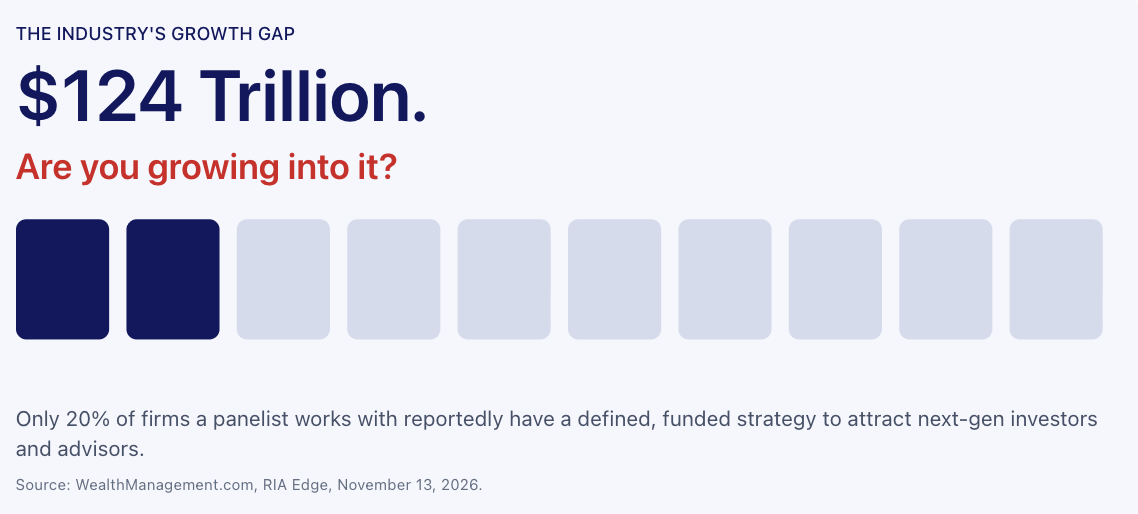
Meanwhile, research from Cerulli Associates projects that approximately $124 trillion in wealth will change hands through 2048.
At ePIC Services Company, we believe estate planning deserves a much larger role in how financial organizations prepare for this opportunity.
In fact, when estate planning is fully integrated into a financial advisory practice, something particularly interesting happens. We like to call it the compounding effect of estate planning.
What Is the Compounding Effect of Estate Planning?
Financial advisors understand the value of compounding. But have you ever considered how that same concept might apply to the relationships within your practice?
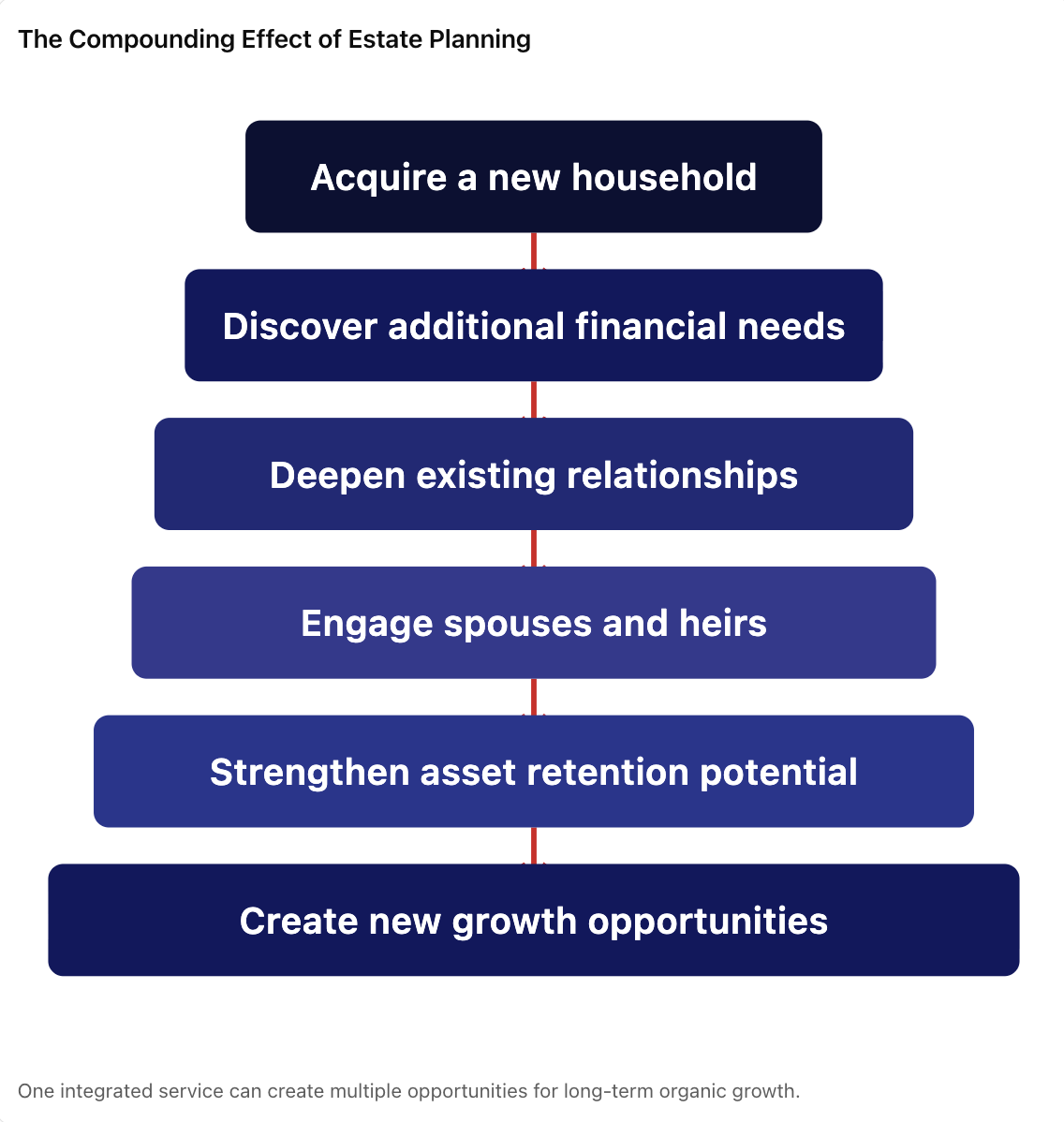
Imagine you're a financial advisor who acquires a new client through an educational estate planning workshop.
The initial reason that client came to you may have been to establish a living trust, protect their family, or simply get their affairs in order. However, as they move through the estate planning process, you begin to learn much more about their financial situation.
You may discover retirement accounts held elsewhere, outdated beneficiary designations, gaps in insurance coverage, concerns about long-term care, or even family dynamics that should be considered in their broader financial plan.
As the relationship develops, you may also have an opportunity to meet their spouse and adult children, helping the family prepare more intentionally for the future.
What began as a single estate planning conversation has now created several opportunities to deliver additional value and develop new relationships.
Now imagine integrating this experience across hundreds of client households while continuing to attract new families into your practice.
That's the compounding effect of estate planning.
Estate Planning as an Organic Growth Strategy for Financial Advisors
One of the greatest challenges financial advisors face is consistently attracting qualified prospects who have a genuine reason to engage with them.
This is where estate planning becomes particularly valuable as a client acquisition strategy.
Many families who need estate planning aren't necessarily looking for a new financial advisor. They may already have one, manage their investments independently, or simply haven't given much thought to working with a financial professional.
But they are concerned about protecting their family, avoiding unnecessary complications after death, and ensuring their wishes are carried out.
Estate planning provides a meaningful entry point into those conversations.
Through educational workshops, on-demand webinars, personalized websites, explainer videos, and nurturing campaigns, financial advisors can build an entire prospecting strategy around helping families understand and address their estate planning needs.
And as those families move through the planning process, opportunities for broader financial planning may naturally emerge.
Cerulli Associates also highlighted the importance of specialization, intentional marketing, and business development in its August 2026 white paper, The Organic Growth Imperative.
For financial advisors seeking a meaningful area of specialization, estate planning is certainly worth exploring.
Asset Retention Begins Before Wealth Changes Hands
When we talk about the Great Wealth Transfer, much of the conversation focuses on younger generations inheriting wealth.
However, there's another significant wealth transfer taking place that financial advisors should be preparing for.

Cerulli Associates estimates that approximately $54 trillion will initially transfer between spouses through 2048, with more than 95% of that wealth expected to go to women.
Consider what this means for the relationships within your existing book of business.
You may have worked with a client for 15 or 20 years, helped them prepare for retirement, and managed their investments through several different market environments.
But how comfortable would their spouse feel calling you if something unexpectedly happened tomorrow?
Would their adult children know who you are, what role you've played in their parents' financial lives, or why they might benefit from continuing that relationship?
These are questions worth considering well before a transfer of wealth occurs.
Estate planning gives financial advisors an opportunity to engage spouses, heirs, and beneficiaries in meaningful conversations while their clients are still able to participate and communicate their wishes.
With the client's permission, these conversations can also help families better understand their responsibilities, prepare for financial transitions, and know who to turn to when they need support.
There is tremendous value in being a familiar, trusted resource during some of life's most difficult moments.
How Estate Planning Supports Advisor Succession and RIA Growth
The Great Wealth Transfer isn't the only transition our industry needs to prepare for.
According to the RIA Edge conference coverage, roughly one-third of financial advisors are expected to retire within the next decade.
For RIA leadership, this presents a unique challenge. Firms need to retain existing client households while developing the next generation of advisors and attracting younger investors.
An integrated estate planning strategy could help support all three objectives.
Consider pairing an established advisor with an emerging advisor during the estate planning journey. While the senior advisor maintains their existing client relationships, the younger advisor has an opportunity to participate in family meetings, facilitate educational conversations, and begin establishing relationships of their own.
The firm could also equip emerging advisors with estate planning workshops and educational marketing resources to help them build their own books of business.
When supported by a consistent delivery process, appropriate training, and dedicated operational resources, estate planning can become a repeatable business development strategy across an entire organization.
Of course, this requires leadership to dedicate resources, assign ownership, and develop measurable objectives around the initiative.
Simply making estate planning software available to advisors won't necessarily accomplish those goals.
There's a Difference Between Implementing and Integrating Estate Planning
Consider a financial advisor who already serves 300 households and decides to add estate planning to their practice.
They might research different software platforms, compare features, purchase a subscription, and begin introducing estate planning during annual client reviews.
That's a great first step. But what happens once those clients agree to move forward?
Who's helping them gather their information? Who's coordinating attorney involvement, following up on documents, and supporting the trust funding process?
Depending on the service model, advisors could find themselves spending hours helping clients navigate a process they had originally hoped would be streamlined by technology.
Now consider that same advisor fully integrating estate planning into their prospecting, client experience, annual reviews, and multigenerational planning strategy.
They have a marketing system helping them attract prospective clients, an educational process to help families understand their options, and a dedicated team supporting the estate planning journey.
The advisor can spend more of their time doing what they do best: building relationships and providing financial guidance.
This is the distinction between implementing estate planning and integrating it into your practice.
Building an Estate Planning Growth Strategy for 2027
Whether you're an independent financial advisor or the leader of a growing RIA, consider incorporating the following objectives into your business plan for the upcoming year:
Establish a measurable goal for new households acquired through estate planning.
Review the estate planning needs of your existing client households.
Develop opportunities to engage spouses, adult children, and future beneficiaries.
Create an educational marketing strategy that consistently attracts qualified prospects.
Identify the operational support needed to deliver a comprehensive, attorney-supported estate planning experience.
Track new client relationships, estate plan completion, additional planning opportunities, family engagement, and net asset flows.
These objectives can help your organization move beyond simply offering estate planning as a service and begin developing a strategy around it.
How ePIC Helps Financial Professionals Grow Through Estate Planning
At ePIC Services Company, we've spent years building an entire ecosystem around helping financial professionals integrate estate planning into the way they serve clients AND grow their business.
Our approach combines three essential components:
Client acquisition and marketing. Our turnkey marketing solutions help advisors attract and educate prospective clients through branded websites, AI avatar explainer videos, estate planning workshops, webinars, and nurturing campaigns.
Comprehensive estate planning. Our eState Plan Portfolio provides families with a comprehensive estate planning solution supported by technology and network attorneys.
Dedicated human support. Our Outsourced Estate Planning Team helps guide families through onboarding, attorney coordination, document completion, and trust funding support, allowing advisors to remain focused on their client relationships.
For independent advisors, this creates an opportunity to establish a repeatable client acquisition and retention strategy.
For RIAs, IMOs, FMOs, BGAs, OSJs, and other financial services organizations, it provides scalable infrastructure to support advisor activation, business development, and the delivery of estate planning services.
The opportunity extends well beyond the initial estate plan. It's in the relationships you're able to build, the families you're able to serve, and the financial conversations you're able to have along the way.
As you're developing your growth strategy for 2027, we encourage you to consider the compounding effect estate planning could have on your business.
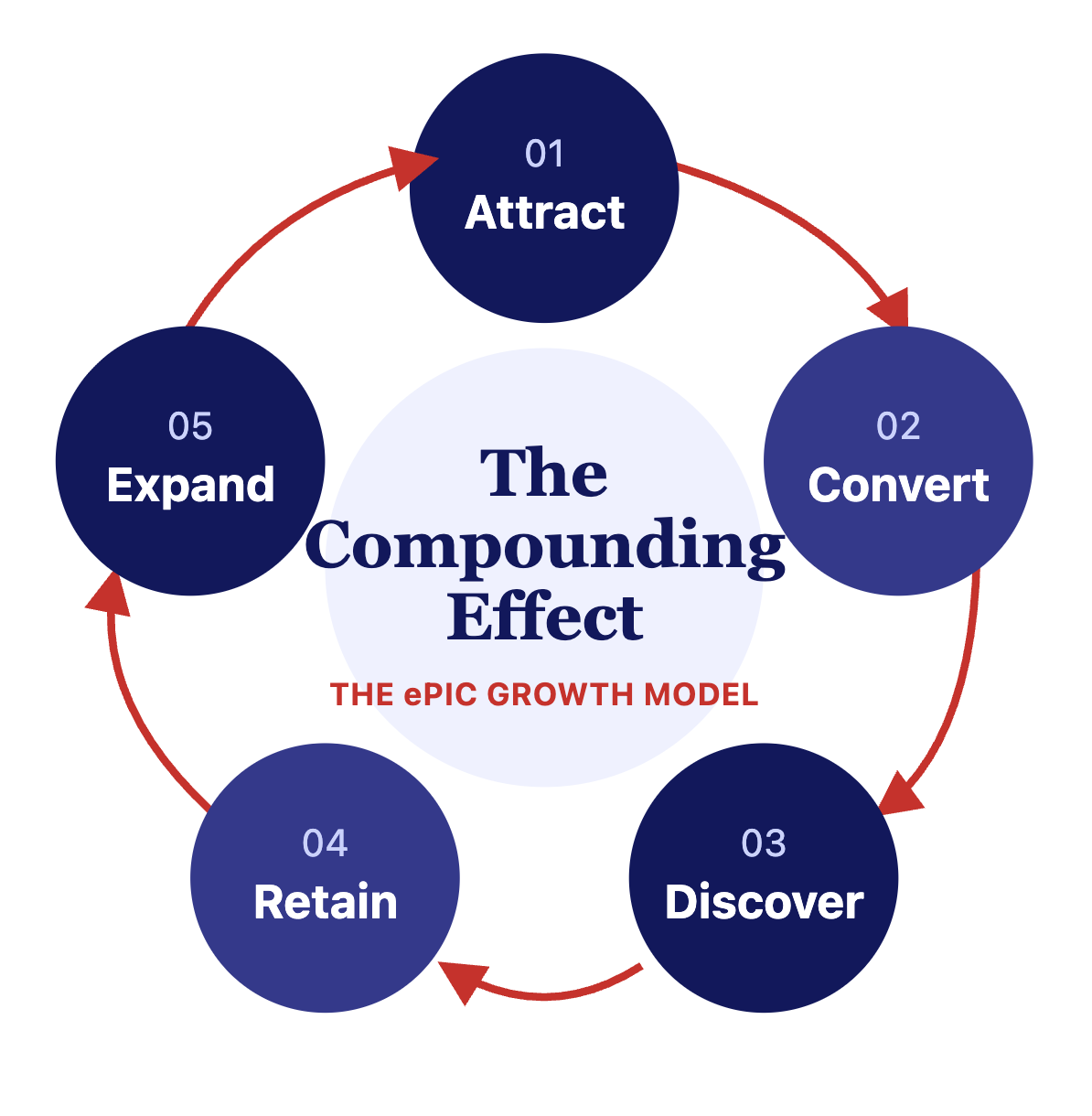
01 Attract
Generate interest through estate planning education.
02 Convert
Turn qualified prospects into client relationships.
03 Discover
Identify additional assets and financial planning needs.
04 Retain
Deepen trust and strengthen household relationships.
05 Expand
Engage the next generation and develop new opportunities.
Don't just implement estate planning. INTEGRATE IT!
Discover how ePIC Services Company can support your growth strategy.
Frequently Asked Questions
How can estate planning help financial advisors grow their business?
Estate planning gives financial advisors a meaningful way to attract prospective clients through educational marketing, workshops, and webinars. The planning process can also help advisors identify additional financial needs, deepen existing relationships, and develop multigenerational client connections.
How can RIAs improve asset retention during the Great Wealth Transfer?
RIAs can prepare by developing relationships with spouses and future beneficiaries, encouraging family financial conversations, incorporating estate planning into regular client reviews, and establishing formal advisor succession strategies. While these efforts cannot guarantee asset retention, they can help firms strengthen relationship continuity.
Can financial advisors offer estate planning without becoming estate planning experts?
Yes. Financial advisors can partner with attorney-supported estate planning providers and outsourced estate planning teams. These partnerships allow advisors to help facilitate the planning experience while qualified legal professionals address legal matters.
What is the difference between estate planning software and an estate planning growth platform?
Estate planning software generally focuses on functions such as document creation, estate analysis, and digital workflows. An estate planning growth platform combines estate planning capabilities with marketing, business development, education, and operational support to help financial professionals integrate the service into their business strategy.
Can estate planning support advisor succession within an RIA?
Estate planning can create opportunities for emerging advisors to participate in family meetings, develop relationships with existing client households, and engage next-generation investors. When integrated into a broader succession strategy, it may help support relationship continuity as senior advisors transition toward retirement.
ePIC Services Company is not a law firm and does not provide legal advice. Business and client acquisition outcomes vary by advisor, market, implementation, and other factors.